Post Date: 18 June, 2026
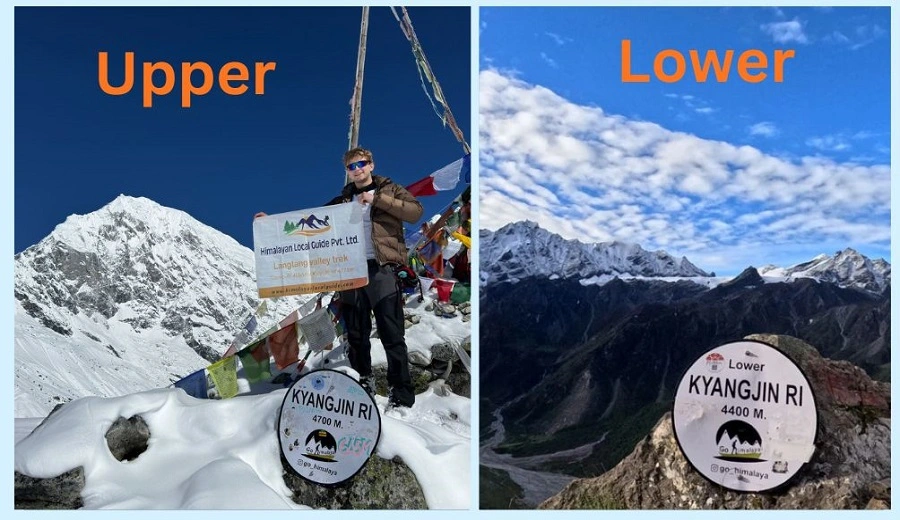
The Kyanjin Ri Viewpoint is one of the most wonderful tourist attractions in the Langtang Region, offering an unforgettable experience in the heart of the Himalayas. Rising above the peaceful settlement of Kyanjin Gompa, this viewpoint offers magical views of snow-capped peaks, rocky mountains, and glaciers, showcasing the landscapes of northern Nepal. It is ideal for those seeking a short, rewarding adventure.
Where is the Kyanjin Ri Viewpoint Located?
The Kyanjin Ri Viewpoint is located in the Langtang Region, inside the Langtang National Park, one of the most accessible trekking regions from Kathmandu. The Kyanjin Ri Viewpoint rises to approximately 4,700 meters above sea level. It is a non-technical climb, making it suitable for most trekkers on the Langtang Trek.
Hiking to the Kyanjin Ri
The Kyanjin Ri Viewpoint is considered one of the best mountain viewpoints in the Langtang Region. Almost every trekker on the Langtang Trek aims to take in its breathtaking panoramic views. From the top, you can enjoy a 360-degree view of the Himalayas, including:
- Langtang II
- Langtang Lirung
- Dorje Lakpa
- Yala Peak
You will also see the views of the Langtang Lirung Glacier and the beautiful alpine terrain surrounding the Langtang Valley.
Most of the trekkers hike to the Kyanjin Ri Viewpoint early in the morning for sunrise views, when the mountains are bathed in golden light. This is one of the most unforgettable moments of the Langtang Trek.
Highlights of a Day Hike
- Climb uphill through the Rrocky mountain terrain.
- Enjoy stunning mountain views with every step.
- Peaceful and less-crowded.
Tserko Ri Viewpoint
The Tserko Ri is another viewpoint that is higher and more challenging in the Langtang region of Nepal. It is one of the main highlights of the Langtang Trek.
Tserko Ri is located at 4,985 meters above sea level, making it higher than the Kyanjin Ri viewpoint. It offers more magical Himalayan views, including snow-capped peaks and a wide panorama of the Langtang region.
Key Differences Between Kyanjin Ri and Tserko Ri:
Kyanjin Ri Viewpoint:
- Easy and short hike from Kyanjin Gompa.
- Best sunrise views with snow-capped peaks.
- One of the ideal spots for acclimatization.
Tserko Ri Viewpoint
- Higher altitude, approximately 4,985 meters.
- You need a good level of physical fitness.
- Long hike of around 7–8 hours round trip.
- Spectacular mountain views from the top.
When is the best time to visit the Kyanjin Ri and Tserko Ri Viewpoint?
The best seasons are Spring (March, April, May) and Autumn (September, October, November):
Spring season (March, April, and May)
- Blue skies and mild temperatures
- rhododendron blooming season
Autumn Season (September, October, and November)
- Mild temperatures
- Excellent mountain visibility
The winter is quite cold, and the season of snowfall, while the summer season brings clouds and rain trekking trails may be slippery and muddy.
Why Should You Visit Kyanjin Gompa Village?
The Kyanjin Gompa Village offers:
- Explore the traditional village of Kyanjin Gompa.
- Visit the ancient Buddhist monastery.
- Discover the yak cheese factory.
Wildlife
During the Langtang Trek, inside the Langtang National Park, trekkers may see the various wildlife species such as:
- Snow Leopard
- Red Panda
- Musk deer
- Monkeys
- Bears
- Tahr
- Monal (the Himalayan national bird) and other bird species
Cultural experience during the Langtang Trek
The Langtang region is home to the Tamang and Sherpa communities, whose culture is similar to Tibetan traditions.
- Buddhist monasteries
- Mani walls
- Typical villages
- Prayer flags
This is a rich cultural dimension, where the trekkers can enjoy and experience throughout the trip.
Conclusion
The Kyanjin Ri Viewpoint is truly beautiful on the Langtang Trek. It’s an incredible viewpoints and unforgettable sunrise with snow-capped peaks make it one of the most magical viewpoints in the Langtang region of Nepal.
For those looking for a greater challenge and higher altitude, the Tserko Ri Viewpoint offers a breathtaking and rewarding adventure. BBoth viewpoints offer an ideal trekking experience and immerse trekkers in the rich culture of the Tamang people and Tibetan-influenced communities.
Recent Post
Annapurna Circuit Trek with Ghorepani Poon Hill
30 July, 2026
Annapurna Sanctuary Trek Difficulty
08 July, 2026