Is Annapurna Base Camp Trekking Safe
A Journey to the Annapurna Base Camp is one of Nepal's most precious undertakings, offering trekkers an opportunity to experience the breathtaking beauty of the Annapurna range. Most of the ABC treks begin in Pokhara, often referred to as the tourist capital of Nepal.
However, like any high-altitude trip, ABC trekking comes with its challenges and a few risks. So, is the Annapurna Base Camp Trek safe for me? Let's dip into the specifics to help you prepare for a safe and rewarding trip.
Comprehension of the Annapurna Base Camp
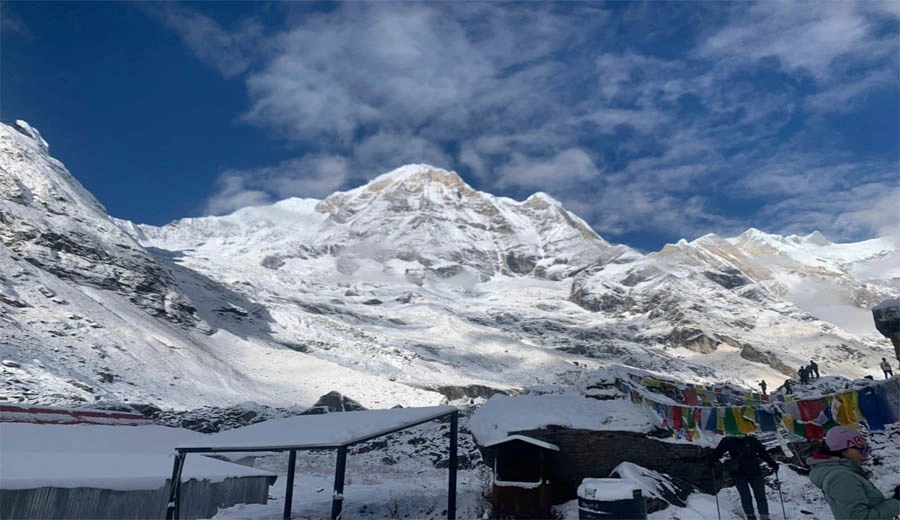
The Annapurna Base camp trip takes you deep into the Annapurna Sanctuary, a natural field surrounded by soaring peaks like Annapurna I (8,091meters), Annapurna South (7,219 meters, Hiuchuli (6,445 meters), Gangapurna (7,455 meters), and Machhapuchhare (6,993 meters). The trek typically begins from Nayapul or Kande. It passes through the charming villages like Ulleri, Ghorepani, Tadapani, Chhomrong, Sinuwa, Bamboo, Himalaya, Deurali, and Machhapuchhare Base Camp before reaching the base camp of Annapurna (4,130 meters/13,549 feet).
The ABC trek is moderately difficult with walks of 4 to 7 hours a day over diverse terrain, including ascents and descents. It's less challenging than other high-altitude treks. However, you should proper preparation and awareness of potential risks are vital to guaranteeing a safe experience.
Some of the best tips for a safe and pleasurable trek
Professional: Our Guides will explain about the local culture and natural environments that will come in handy during the trek.
Pack essential things: You can pack essential trekking equipment, including a first-aid kit, energy snacks, and water purification tablets or a water filtering pump.
Respect the Local Culture of Gurung and Magar: During the trek routes, you can experience the culture of Gurung and Magar, especially in the village. If you want to know or whatever you want to do something else, you can ask your guides.
Safety and security considerations for the Annapurna Base Camp
Altitude and Acclimation
During the ABC trek, you don't reach the maximum altitudes of Annapurna Thorong and Everest Base Camp. However, high-altitude sickness is quite a concern. The highest point on the trek is Annapurna Base Camp (4,130 meters/ 13,549 feet), and AMS (Acute Mountain Sickness) can happen if you walk too fast.
How to prevent the risks of High-altitude sickness?
- Ascend gradually: Ambition to gain no more than 400-600 meters in elevation per day.
- Rest days: Villages like Ghorepani, Sinuwa, and Deurali are perfect for acclimatization stops.
- Stay hydrated: Drink a lot of water.
- Symptoms of high-altitude sickness: If you experience headaches, nausea, or dizziness, you can descend to a lower altitude immediately.
Weather Conditions in Annapurna Base Camp
The weather conditions in the Annapurna Base Camp can be changeable with unexpected rain, snowfall, or cold temperatures, even during the peak season of autumn and spring. Before hiking to the ABC trek, you must be well-prepared. You can bring clothes, including a waterproof jacket. Also, be aware of weather conditions before beginning your journey. Therefore, we highly encourage you to add extra days to your program in case of delays due to weather conditions.
Trekking Trail Conditions and Exposures
The trekking trails to Annapurna Base Camp are well-marked and conserved, but you should tread carefully.
- Landslides: These can happen, mainly during the (June, July, and August) summer/Monsoon season.
- Snowfall: Higher sections of the trail can be slippery and icy during the winter months (December, January, and February).
Travel Insurance for the Annapurna Base Camp
Trek to Annapurna Base Camp is an experience of a lifetime, offering thrilling landscapes, local culture experiences, and a sense of achievement. Therefore, like any high-altitude trek, it comes with innate risks, from altitude sickness and unstable weather to injuries and emergencies. This is why taking Complete trek insurance is not just advice. It's a necessary part of your preparation.
The Annapurna region trekking has limited medical facilities, with basic health posts available in villages, including Manang, Jomsom, Ghorepani, and Chhomrong. These health posts provide only basic medical care for trekking-related issues, such as high-altitude sickness and normal injuries.
For Serious sickness or injuries, trekkers need to go to Pokhara or Kathmandu. Helicopter evacuations are the most well-organized way to reach advanced medical care, but they can be high-cost without proper travel insurance. So, your trek insurance should include emergency helicopter evacuation up to 5000 meters and medical treatment.
Conculsion
Trekking to Annapurna Base Camp is a safe and rewarding trek for those who are physically fit and are prepared for the challenges of high-altitude trekking. While risks like altitude sickness, unpredictable weather, and high physical demands exist, with proper planning, acclimatization, and information, they can be managed. For most trekkers, the rewards of thrilling landscapes, cultural immersion, and a keen sense of accomplishment far outweigh the challenges.
Recent Post
Annapurna Circuit Trek with Ghorepani Poon Hill
30 July, 2026
Annapurna Sanctuary Trek Difficulty
08 July, 2026