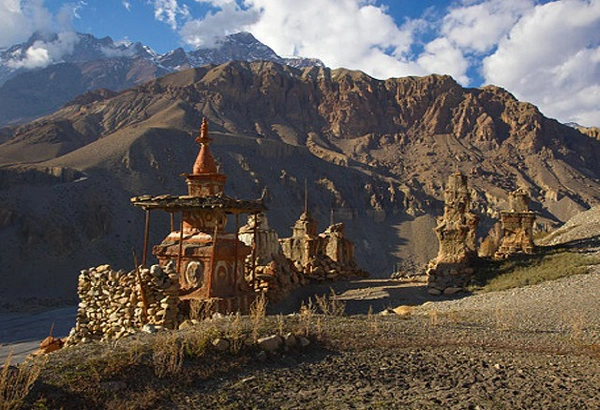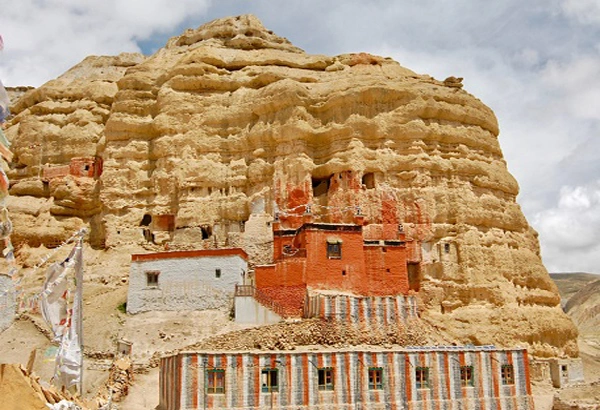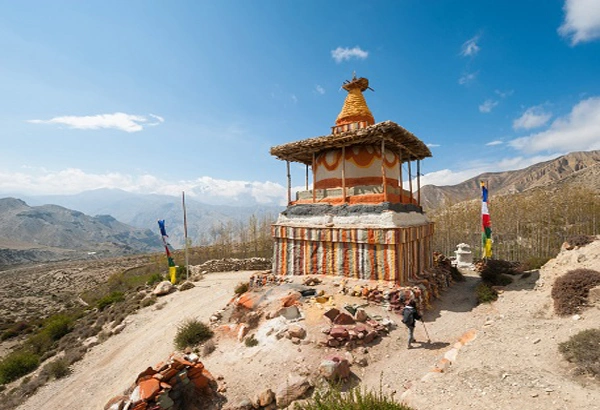
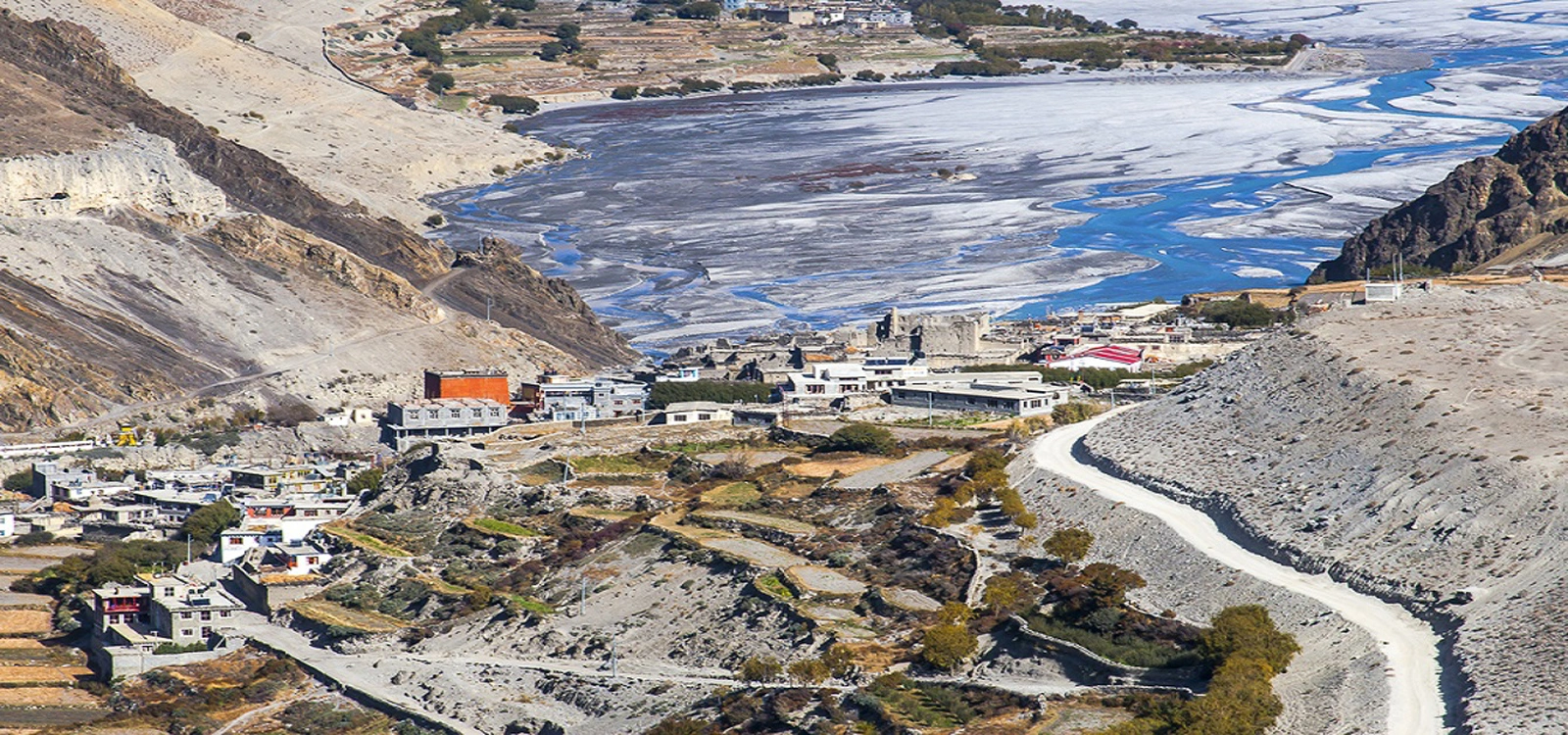
Mustang Region Trekking offers a great opportunity to explore the adventurous Himalayan landscape. It offers rich Buddhist culture, Tibetan-influenced heritage, and local lifestyles along the Nepal–Tibet border region. The journey is a deeply memorable experience for trekkers. The Mustang trekking package is categorized as a rain-shadow region trek. A trek to the Upper Mustang region can be a remarkable experience in your life, and also offers chances to enjoy breathtaking views of Mt. Dhaulagiri (8167m/26,795feet), Annapurna I (8091m/26,545feet), Tukche Peak (6920m/22,703feet), Nilgiri Himal (7061m/23,166feet) and Tibet Peak, etc.
Mustang region trekking has been open to foreign trekkers since 1992. After that, trekking in Upper Mustang is regulated. Foreign trekkers need a special permit to go through, costing USD 500 per person per week, and after that, USD 50 per person per day or convertible foreign currencies. Most trekkers travel on foot along the historic trade route used in the 15th century. More than a thousand trekkers visit Upper Mustang every year.
The Upper Mustang trek itinerary allows ample time to discover the main town of Lo Manthang. The remarkable walled delightful Mustang trek is scheduled during the summer season, while the local peoples are the most lively in the fields village and Buddhist monasteries. The main starting and ending point of the trek is Jomsom. From here, you can fly between Pokhara and Jomsom or take a local bus or jeep between Pokhara and Jomsom.
The Mustang Valley Region trekking is situated west part of the Nepal Himalayas. Mustang district has a chance to explore, which is unique and quite a different landscape, local culture, traditional costume, and history. The Mustang region, mostly untouched by the outside world, preserves 16th-century monasteries remained active, adorned with unrivaled frescoes, thangka paintings, and beautiful deity statues preserving old traditional local culture. The Mustang region is known for buckwheat fields, barley cultivation, and grazing pastures for grazing herds.
The first recorded visitor to Mustang was Toni Hagen, a Swiss traveler, and geologist who visited in 1952. French explorer Michel Peissel is considered the first Westerner to stay in Lo Manthang Village during the first authorized exploration of Mustang in 1964.